Reading a Wheat Field: An Explainer on Growth Stages from Shoot to Seed
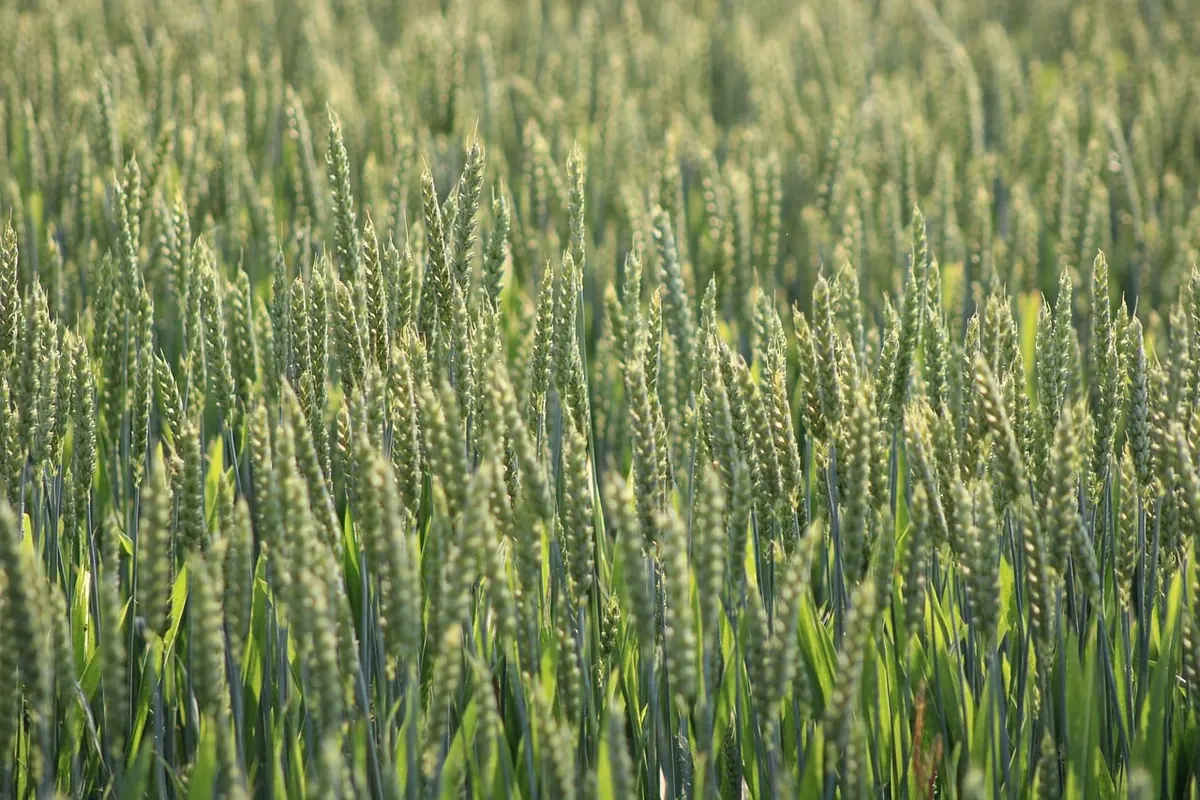
Walk into a wheat field in late spring and everything looks the same: green, upright, endless. Come back three weeks later and the field has changed its mind about green entirely — it has thickened, jointed, and started pushing ears. Nothing dramatic happened in one afternoon. A hundred small decisions were made by the plants, and a few important ones by the person who farms them.
Reading those decisions is a skill anyone can learn. It takes boots rather than a laboratory: kneel down, dig up a plant, count what is there, and do it again next week. Here is what farmers are looking for.
The numbers farmers keep in their heads
Agronomists describe wheat growth with a decimal code. The Zadoks scale is the one you will hear most often, with BBCH close behind and the older Feekes scale still used in parts of North America. Every stage has a number, from dry seed at 00 to grain ready to cut in the 90s. The numbers matter less than the shared language: "flag leaf emerged" means the same thing in a field in Lincolnshire, Saskatchewan or the Po Valley.
Timing is nearly everything in wheat. Nitrogen, fungicide, growth regulator and the decision to start the combine all hang off specific stages. Spray a fungicide once the flag leaf is out and you protect the leaf that fills the grain; spray too early and you have spent money on a leaf that will soon sit in shade.
The season breaks into a few broad chapters:
- Germination and emergence — seed to a two- or three-leaf seedling.
- Tillering — the plant bushes out and decides how many ears to carry.
- Stem elongation and jointing — the stalks rise.
- Booting and heading — the ear forms inside a sheath, then emerges.
- Flowering — brief, quiet and decisive.
- Grain fill and ripening — the ear gets heavier, then the crop goes gold.
From seed to first leaf
A wheat seed sown into moist soil takes in water, sends a root down and pushes a shoot up. The first thing above ground is not a leaf at all but a coleoptile — a tough, pointed sheath that protects the tender leaves as they travel through the soil. It looks like a small green spike and it is easy to walk straight past. When the coleoptile breaks the surface and the first true leaf unfurls, emergence is complete.
What a farmer checks in this window is unglamorous: are the plants there, and are they evenly spaced? A thin patch now usually points to seed depth, seedbed condition or a drill running too fast. Digging up a few seedlings tells you more than any photograph of the field. A long, pale coleoptile means the seed went in deep; a crown sitting near the surface means it went in shallow.
Tillering: the plant decides how many ears to build
Once a wheat plant has three or four leaves, it starts branching from the crown — the compressed stem at soil level. These branches are tillers, each capable of producing its own ear. Winter wheat does most of this in autumn, before the cold slows everything down; spring wheats tiller fast and briefly.
This stage is forgiving and brutal at once. A plant pushes out more tillers than it can finish, then aborts the ones it cannot feed. Light is the referee: a dense canopy shades its own lower tillers and they die. That is why seed rate matters so much. Sow too thick and you get more stems but not more ears, along with more disease and lodging.
A good check here: lift a plant with a trowel, rinse the roots and count. Three strong tillers with thick bases is a different message from six spindly ones. Note the crown depth while you are at it — a crown too close to the surface will suffer in a dry spring or a hard frost.
Jointing, booting and the flag leaf
As stems lengthen, nodes form — you can feel them as small bumps if you run a stem between finger and thumb. This is jointing, the point when the plant stops hedging its bets and commits to the ears it has. Growth accelerates visibly; a field can look noticeably taller within a week.
The last leaf to appear is the flag leaf, and in wheat it is the engine of the crop. It sits just below the ear, catches the most light and stays green longest. Much of the grain's final weight comes from what that single leaf does after heading. A farmer at this stage is looking for two things: whether the flag leaf is clean, and whether the canopy is standing upright. Lush, floppy crops at jointing are a warning about lodging later.
Just before the ear emerges, the sheath of the flag leaf swells. This is booting — the ear is fully formed but hidden. Split a boot open with a fingernail and you can count the spikelets. Agronomists do exactly that before a cold snap or a late fungicide decision, because the ear inside is vulnerable and the sheath is thin protection.
Heading and flowering
Heading is unmistakable: the ear slides out of the boot, awns first in awned varieties. From a distance the field changes texture, going from a smooth green surface to something bristly and layered. Walk it and you can see whether ears are emerging evenly or half the field is a week behind.
Flowering follows quickly and is easy to miss. Wheat is largely self-pollinating, so there is no showy burst of pollen the way there is in maize. Look closely at the middle of an ear around midday: tiny pale anthers appear, then turn yellow. Each ear takes a few days, and the field is done within a week or so.
That short window carries more weight than its length suggests. Heat, frost or heavy rain at flowering can cut the number of grains set, and no amount of good weather afterwards adds them back.
Grain fill: milk, dough and ripening
After flowering, the plant's job shifts from building structure to moving sugar. Squeeze a grain between your fingernails in the first week and it is watery; a week later it releases a milky liquid. Then it turns doughy — soft dough first, then hard dough as starch packs in and moisture drops.
Meanwhile the field fades from the bottom up. Lower leaves senesce first, then the flag leaf pales, and finally the ear and stem turn gold. Farmers read that fade carefully. Too fast and the crop has run short of water or been hit by disease during the weeks that matter most. Too slow and green, and harvest slips later into unsettled weather.
The thumbnail test is the old reliable: press a grain with your nail. Soft dough spreads; hard dough dents. When grain cracks between your teeth and the stem below the ear has lost its green, the crop is close.
How to read your own field in five minutes
You do not need a qualification to read a wheat crop, only a routine you repeat. Try this once a week through the season:
- Stop at the gate and look at the whole field before you walk in. Colour, evenness and patchiness show up better from
Photo: HeckiMG / Pixabay