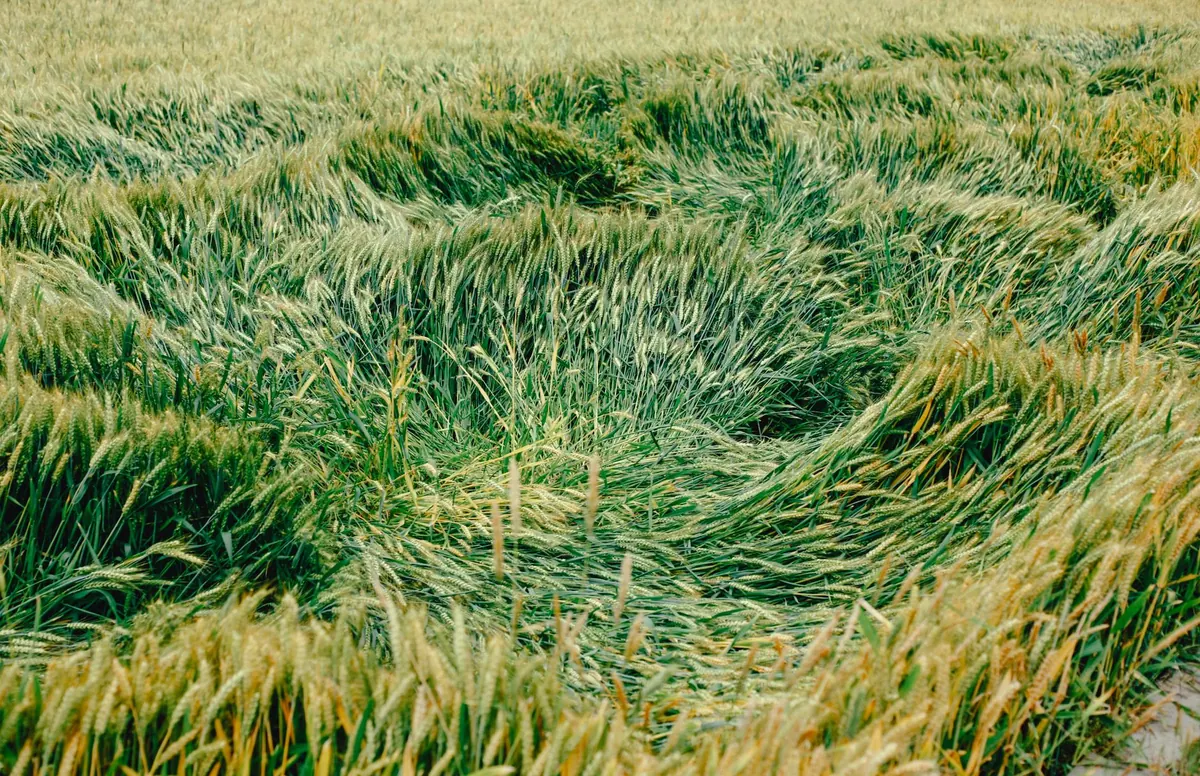
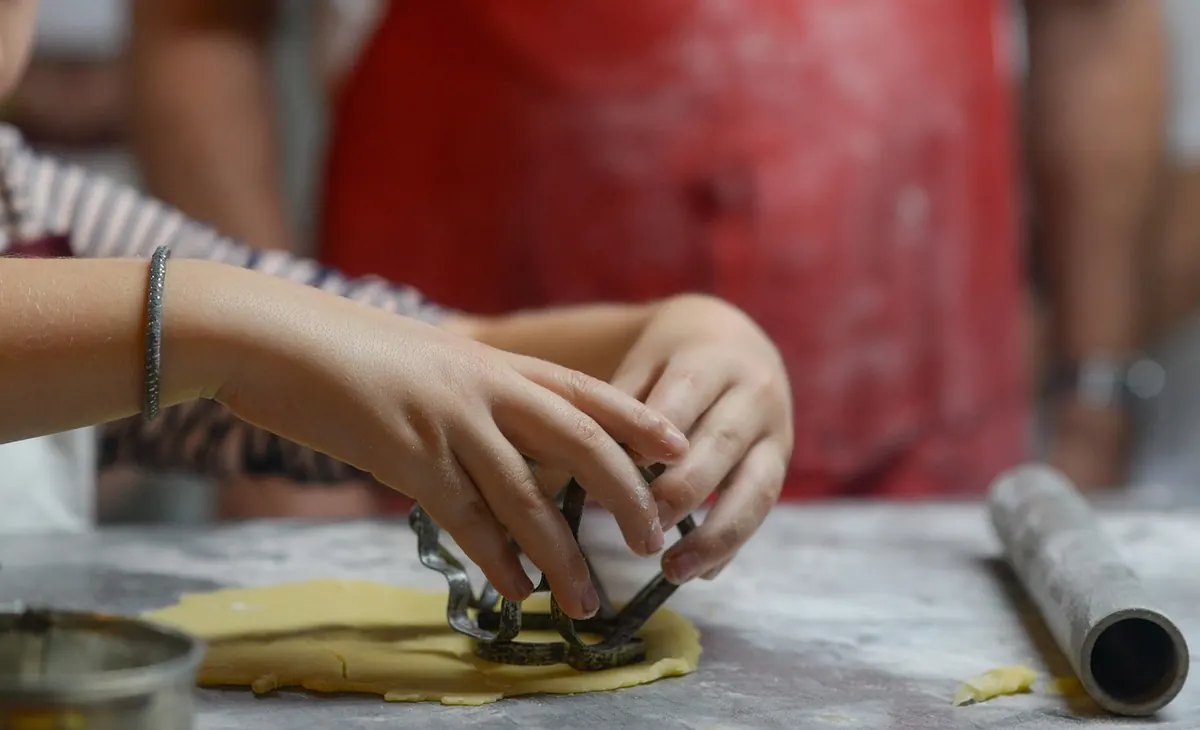
From Sheaf to Loaf: A Beginner's Checklist for Hosting a Wheat Harvest Supper
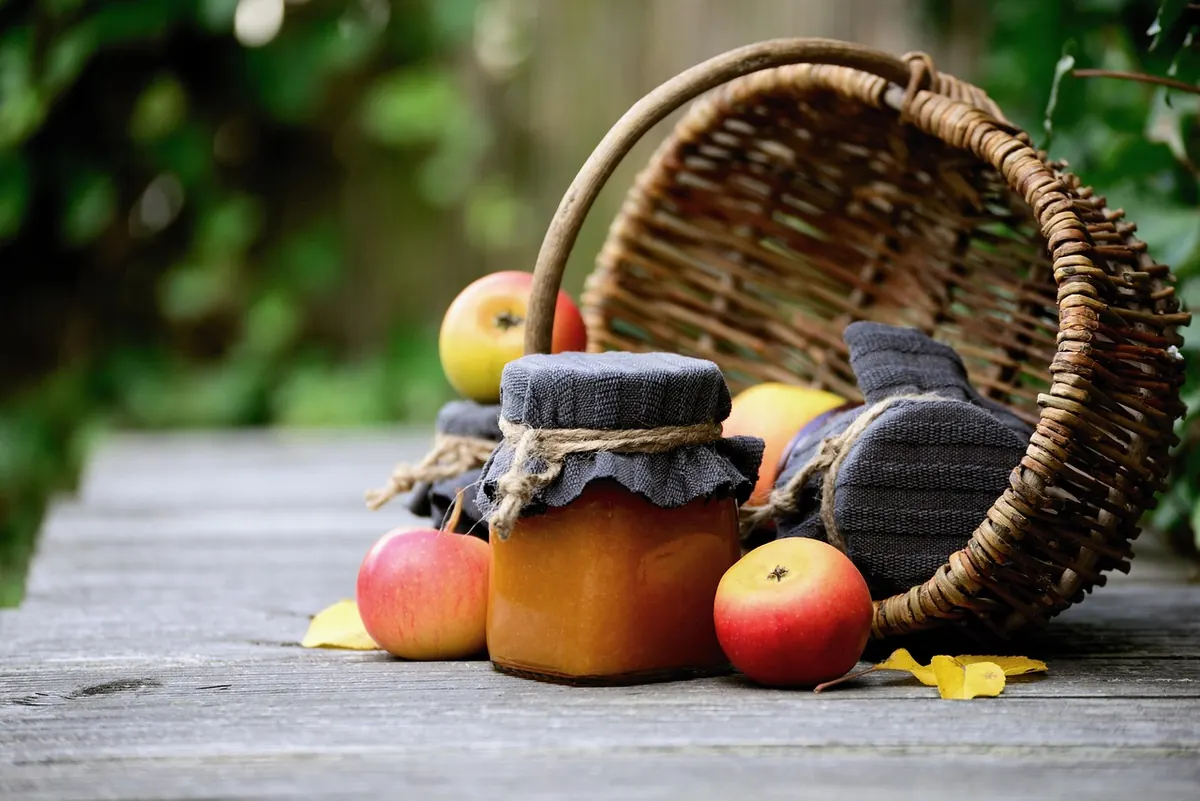
A harvest supper has a low bar and a high ceiling. Bread, a few dishes built on wheat, and people willing to sit at a table for two hours are enough to begin with. But put a sheaf of wheat on the table, say where the grain came from, and let someone tell the story of the last field cut, and the evening turns into something guests talk about on the walk home.
This checklist is written for a first attempt: one evening, eight to sixteen people, a menu you can cook yourself without hiring help. Nothing here needs special equipment. What it does need is a little planning, because the storytelling only works if the cooking is already under control.
Decide What the Table Is Celebrating
Before you write a shopping list, choose a grain. Not a vague idea of wheat, but one specific thing: a stone-ground bread flour, a bag of einkorn, farro from a farm you can name, or durum for pasta. Choosing the grain tells you what the menu will be, and it gives you the one story you will tell well. A supper with a single grain running through it feels intentional. A supper with six loose wheat references feels like a theme party.
Then decide the shape of the evening. Seated is better than standing for a storytelling supper, because guests stay in one place and you can plan the moments when the room goes quiet. A long table or two pushed together does more for the mood than a buffet ever will.
One small request goes in the invitation: ask each guest to bring a bread memory. A sentence is enough. Some will come with a story about a grandmother's Sunday loaf; someone will bring a memory of buying bread in a city they no longer live in. You will not use all of them, but knowing they exist changes how people listen.
Build a Menu Where Wheat Shows Up in More Than One Form
The loaf is the centrepiece, not the whole argument. You want guests to see the grain as well as eat the flour, so aim for wheat in three or four forms across the meal.
The bread
Bake two loaves, even if one is a backup from a bakery you trust. One gets sliced at the table while it is still warm; the other sits on the sideboard, halved, for people who want more. If you bake in advance, freeze the loaves the day they cool and refresh them in a hot oven for ten minutes before serving. Nobody needs to know the timing except you.
The savoury courses
Cooked wheat berries tossed with roasted squash, red onion and a sharp dressing make a salad that holds up for an hour without wilting. Farro in a soup gives you something to ladle while people are finding their seats. A little flour stirred into the pan juices thickens the main course without anyone noticing the effort. If you are feeding children, plain bread and butter on the table early buys you twenty quiet minutes.
Something sweet
Keep dessert make-ahead. A shortbread, a simple flour cake, or a tart with a wheat-flour crust will all sit happily overnight. Serve it with something plain, like cold cream, so the grain stays the point.
A Table That Looks Like a Field, Not a Craft Fair
Restraint reads as confidence. Two or three bunches of dried wheat in a jug, a sheaf laid flat along the centre of the table and tied with ribbon, plain linen, and candles at a low height will do more than a scatter of props.
Keep loose grain and chaff well away from flames and away from the places where people set down glasses. If you are borrowing dried wheat from a farm, shake it outdoors first. A florist can usually supply a bundle of dried stalks if the fields are far away.
Place cards are worth the ten minutes they take. Write the name of your grain on each one, or a single word from the evening: sow, grow, mill, bake. Guests will turn them over and start talking.
Plan Three Storytelling Moments and No More
Storytelling at a supper fails when it is unplanned and succeeds when it is short. Three moments, each under five minutes, is plenty for one evening.
- The welcome. Two minutes, before people sit. Name the grain, name the farm or mill if you can, and say why you chose this menu. Then stop talking and pour something.
- The middle. Between the main course and dessert, when glasses are full and nobody is hungry. Tell the journey from sowing to milling in plain language, or read one short passage about harvest. If you have asked guests for memories, invite one or two beforehand, never on the spot. A shy guest put on the spot will remember it for years, and not fondly.
- The close. One minute, standing, with a glass raised. Thank the people who grew, milled or sold the grain, thank the cooks, and send everyone home.
Write your three moments down on a card and keep it in the kitchen. Under pressure, hosts forget the middle entirely.
The Days Before: A Working Checklist
A week out is early enough for most of this, and doing it then means the day itself is calm.
- Confirm numbers and ask about anything guests cannot eat.
- Order the grain, the dried wheat and any bakery backup.
- Cook and freeze the loaves, or book the collection time.
- Test the one recipe you have never made before. Not on the night.
- Write the three storytelling cards and put the guest memories in order.
- Check the table will physically fit the people: count chairs, then count them again.
On the day itself, work backwards from the time people arrive.
- Set the table first, before the kitchen gets busy.
- Cook the wheat berries and farro; dress the salad and leave it to sit.
- Chill the drinks and open the windows.
- Refresh the bread in a low oven, then wrap it in a cloth.
- Put the sheaf on the table and light the candles last.
- Give yourself fifteen minutes with nothing to do before the doorbell.
Make Room for Everyone at the Table
A wheat supper is a poor evening if a guest spends it pushing food around the plate. Ask about dietary needs when you invite people, not on the night, and plan one dish that works without wheat and one that works without meat.
If someone avoids gluten for medical reasons, be honest about what your kitchen can and cannot promise. Flour dust travels; a shared toaster, a shared board and a shared knife all matter. Label what you can, keep a portion separate from the start, and let the guest decide what is safe for them rather than assuring them yourself. For anything beyond that, point them to their own doctor or dietitian rather than offering opinions.
The Morning After
Before you wash a single dish, write three lines: what people reached for first, which story landed, and what you would cut next time. Send the leftovers home with guests, in paper, with a slice of the second loaf. Keep the sheaf: hang it in the kitchen until it goes dusty, then compost it. A harvest supper is meant to be repeated, and the second one is always easier than the first.
Photo: congerdesign / Pixabay